
What to Do When You Get Sick in Japan: A Family Survival Guide
夜中の熱、どうしたか
My wife spiked a fever in the middle of a Tokyo night, and the fatigue that came with it ended the day. We suspected influenza B, treated that as a question for the clinic, and got through it with a hotline, a Japanese note, a 7-Eleven run, and cash for the pharmacy.
Call first
Himawari by day, JNTO at night
Cash
Bring yen for the pharmacy
3 papers
Receipt, certificate, prescription
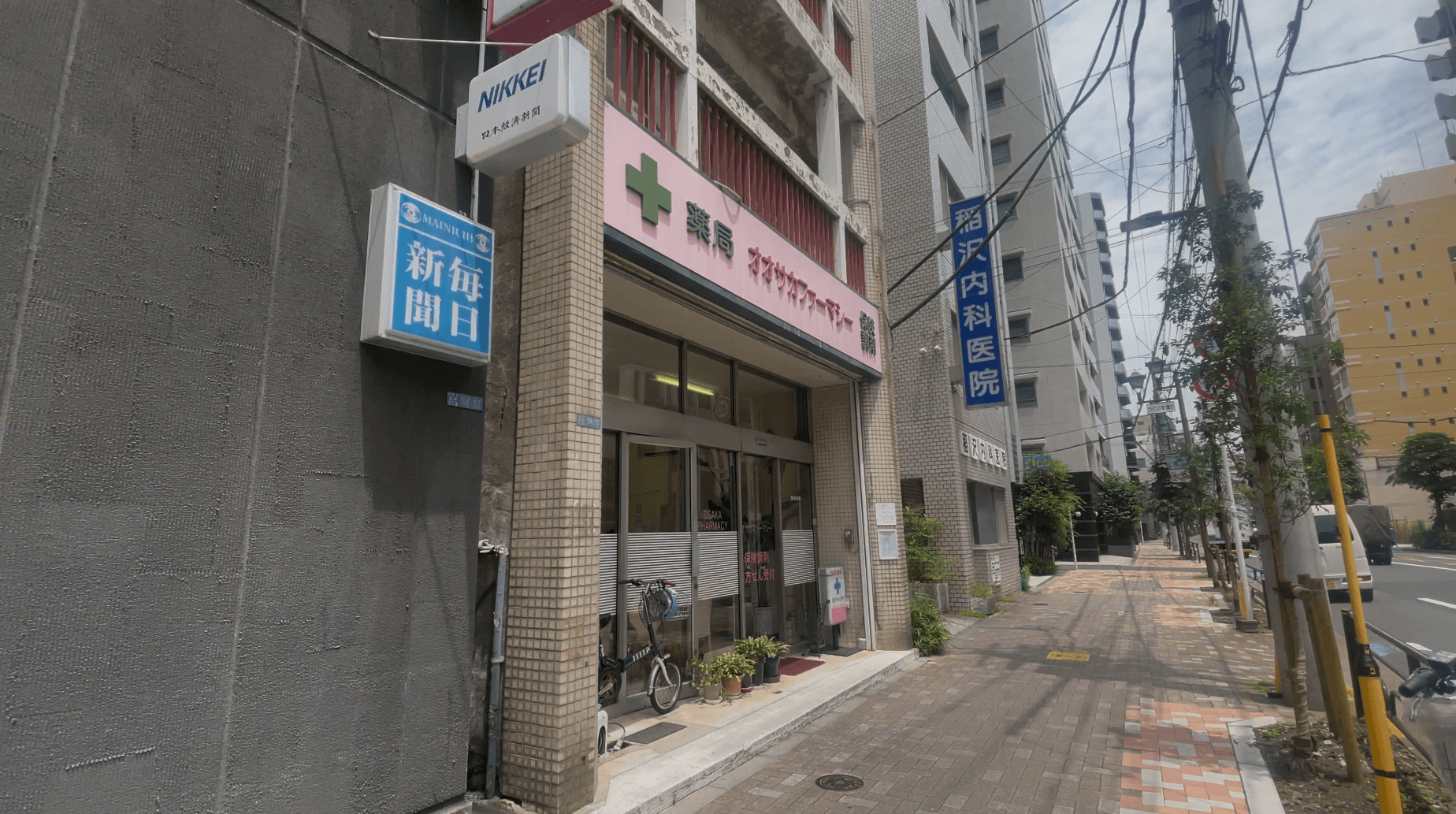
My wife spiked a fever in the middle of the night in Tokyo, and the fatigue that came with it was the kind that ends a day. The pattern looked like influenza B. We kept that as a suspicion for the clinic to confirm. This is the night our family had, and a doctor is the one who decides what the illness is. Nobody panicked. One parent took the phones. The other took the supply run. A Japanese note was ready before we spoke to anyone.
Panel 1. The 7-step tech and triage plan
This is the sequence we want another family to have saved. Seven steps. Each one is short enough to screenshot.

- Step 1. Call the hotline first: Always call ahead. In Tokyo, Himawari is 03-5285-8181 from 9 a.m. to 8 p.m. At night, the JNTO visitor hotline is 050-3816-2787. Ask for a clinic that can see a foreign traveler.
- Step 2. Pre-search clinics with AI: Before you dial, ask an assistant for clinics near the pin you are standing on. When the nurse asks where you can go, you already have two or three names, and the call gets shorter.
- Step 3. Prepare a Japanese note: Have the AI write the symptoms, how long they have lasted, what worries you, and the specific suspicion. Ours said the pattern matched influenza B and that we needed prescription medicine, so the clinic could say yes or no before we crossed town.
- Step 4. Ask for the local protocol and the supply run: Ask what the clinic expects that week: masks, isolation, how early to arrive. Then ask for the nearest 7-Eleven from your current address, including the walking turns. Follow the clinic’s rule once you are told it.
- Step 5. Tag-team the phone calls: Keep the hotline on one phone for the medical words. Have the other parent call the clinic directly. A translator in the middle is a gift when you cannot speak, and a delay when the clinic can already hear you.
- Step 6. Do the konbini run: Walk the route you were just given. Masks, a drink you can sip, calories for no appetite, and a pack of alcohol wipes. The list is in the next panel.
- Step 7. Screenshot everything: Save the Japanese note and the walking directions into the camera roll. Flipping to a photo for the nurse or the pharmacist is faster than typing, and faster than waiting for an app to load at the counter.
Panel 2. The convenience-store recovery kit
The nearest 7-Eleven became the recovery room. We had asked for walking directions from the address we were standing at, and we bought a small kit for a fever, no appetite, and a long night indoors.
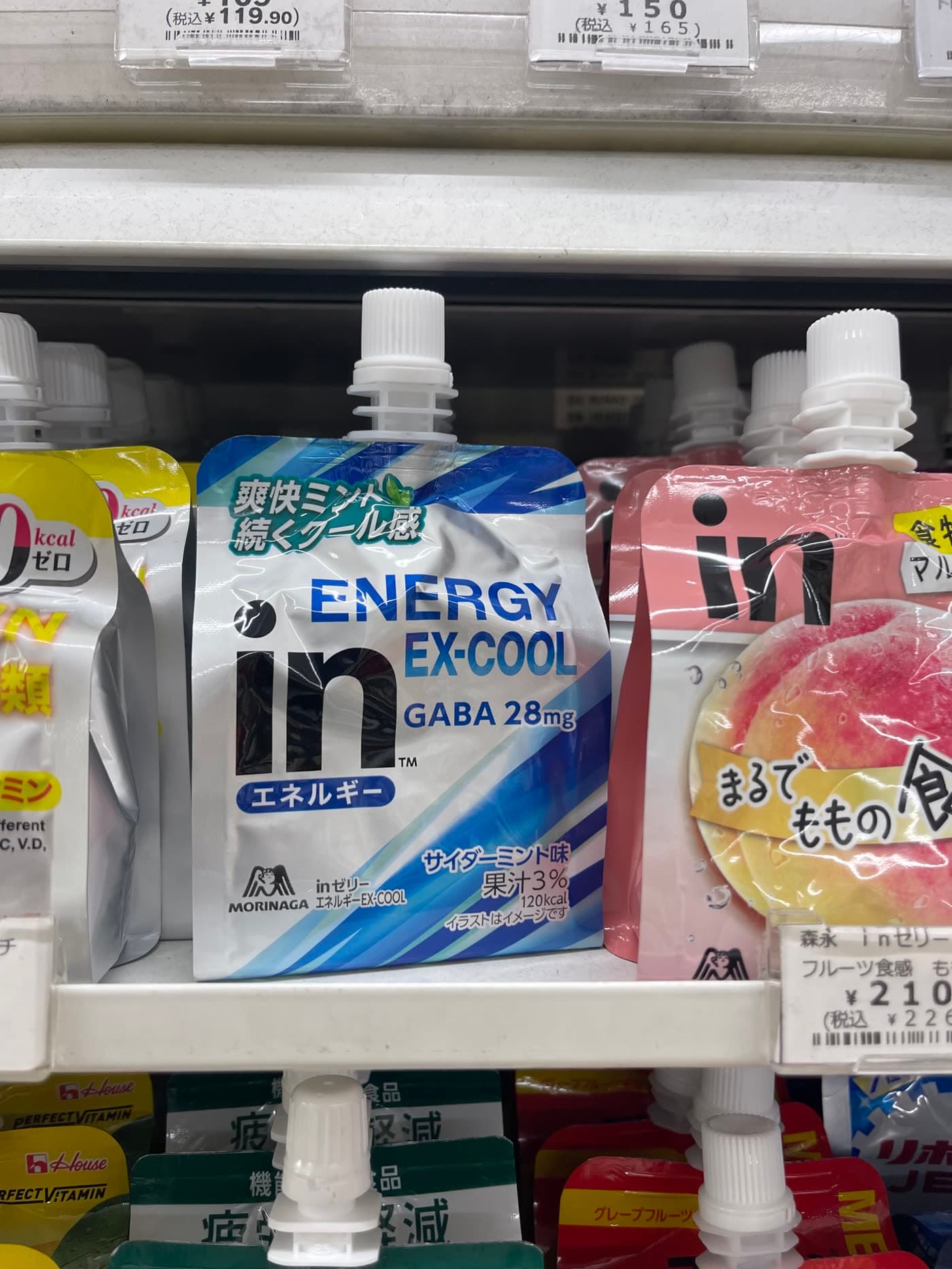
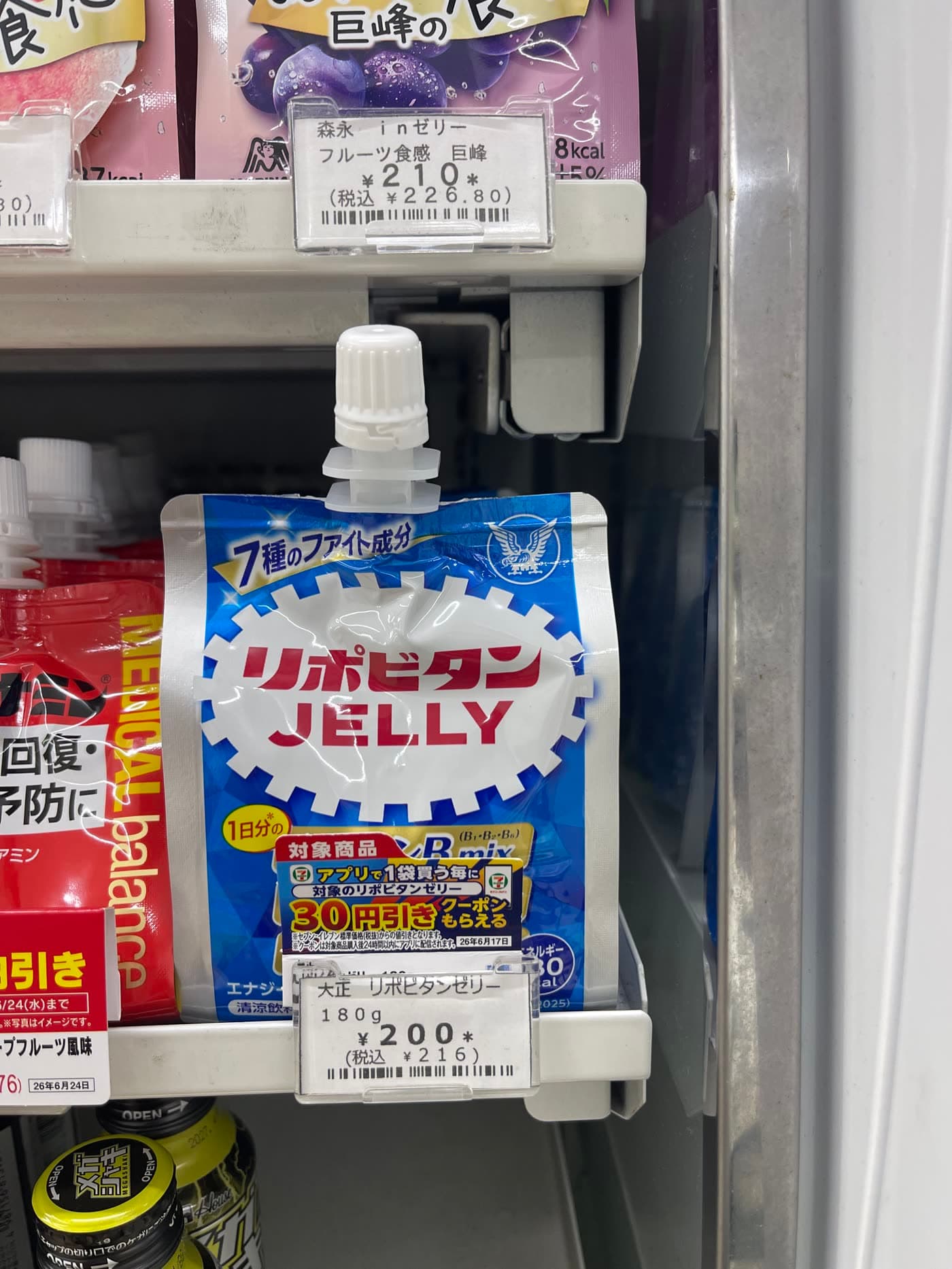
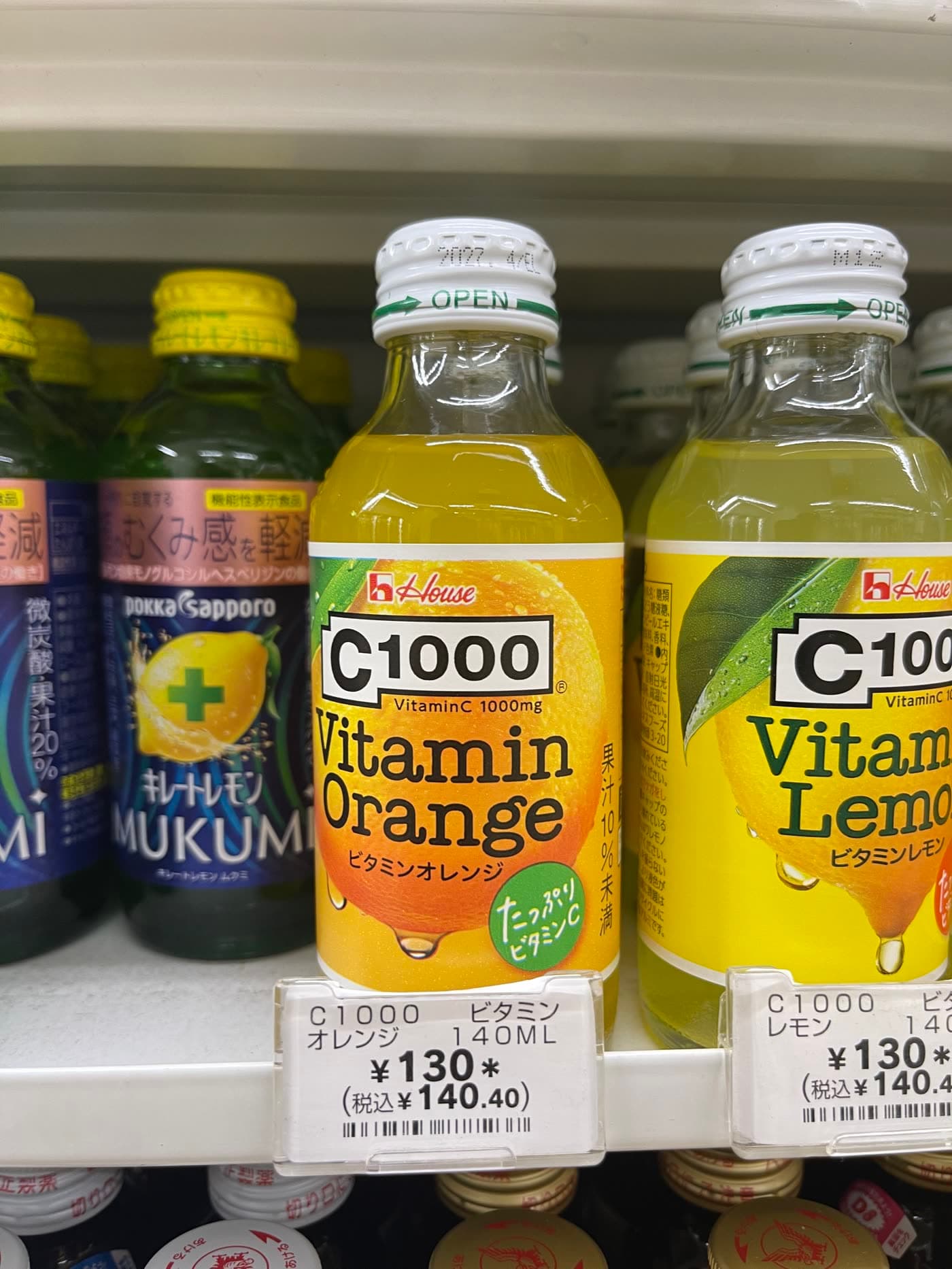
What to pick up for a fever night
- Morinaga in Jelly, Energy EX-COOL, for calories when appetite is gone. It is sweet. A plainer pouch is the one we would buy next time.
- Lipovitan Jelly, a vitamin pouch you can sip. For electrolytes, also look for Pocari Sweat (ポカリスエット) or Aquarius (アクエリアス).
- House C1000 Vitamin Orange, 1,000 mg of vitamin C in a small glass bottle.
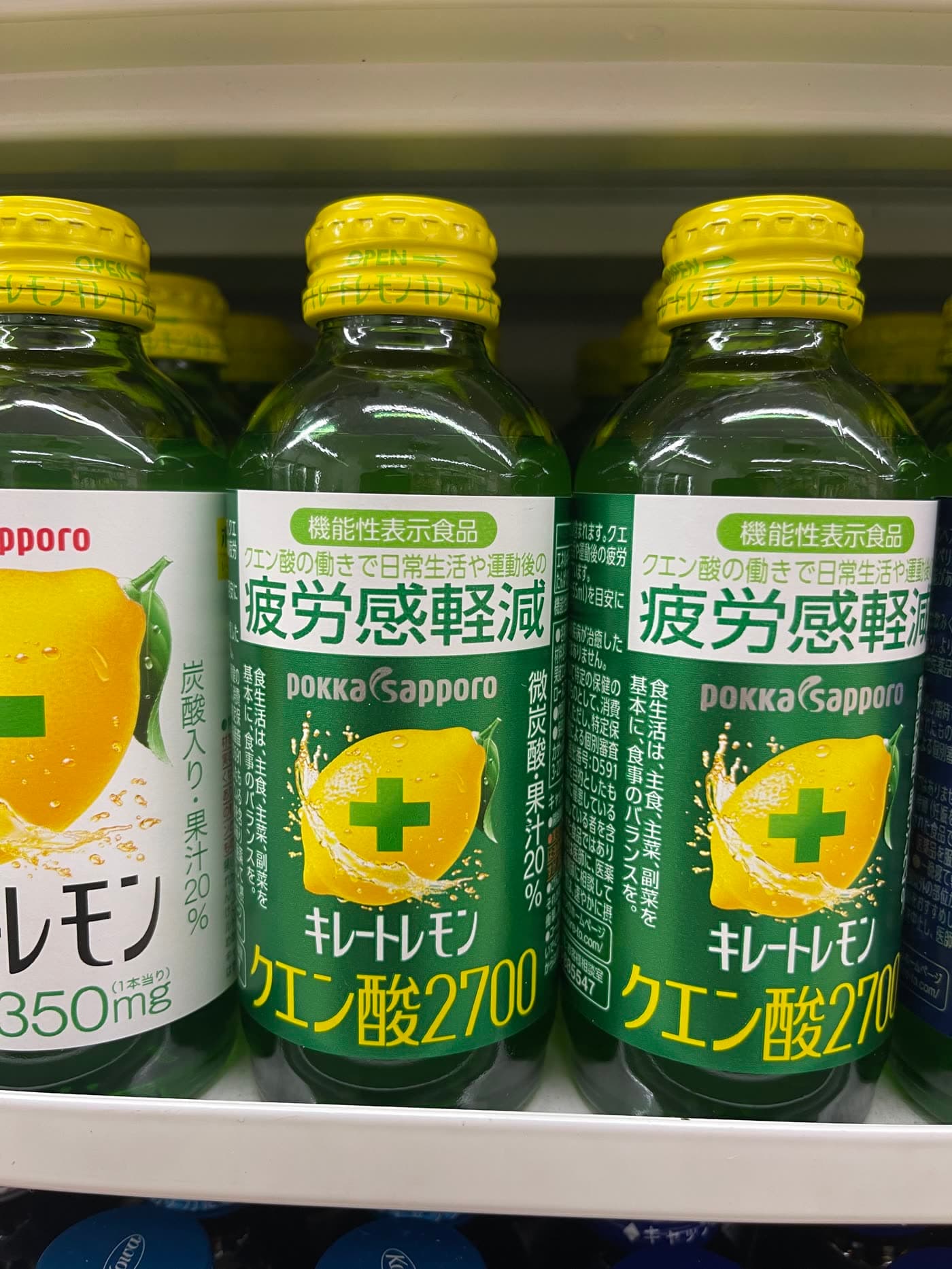
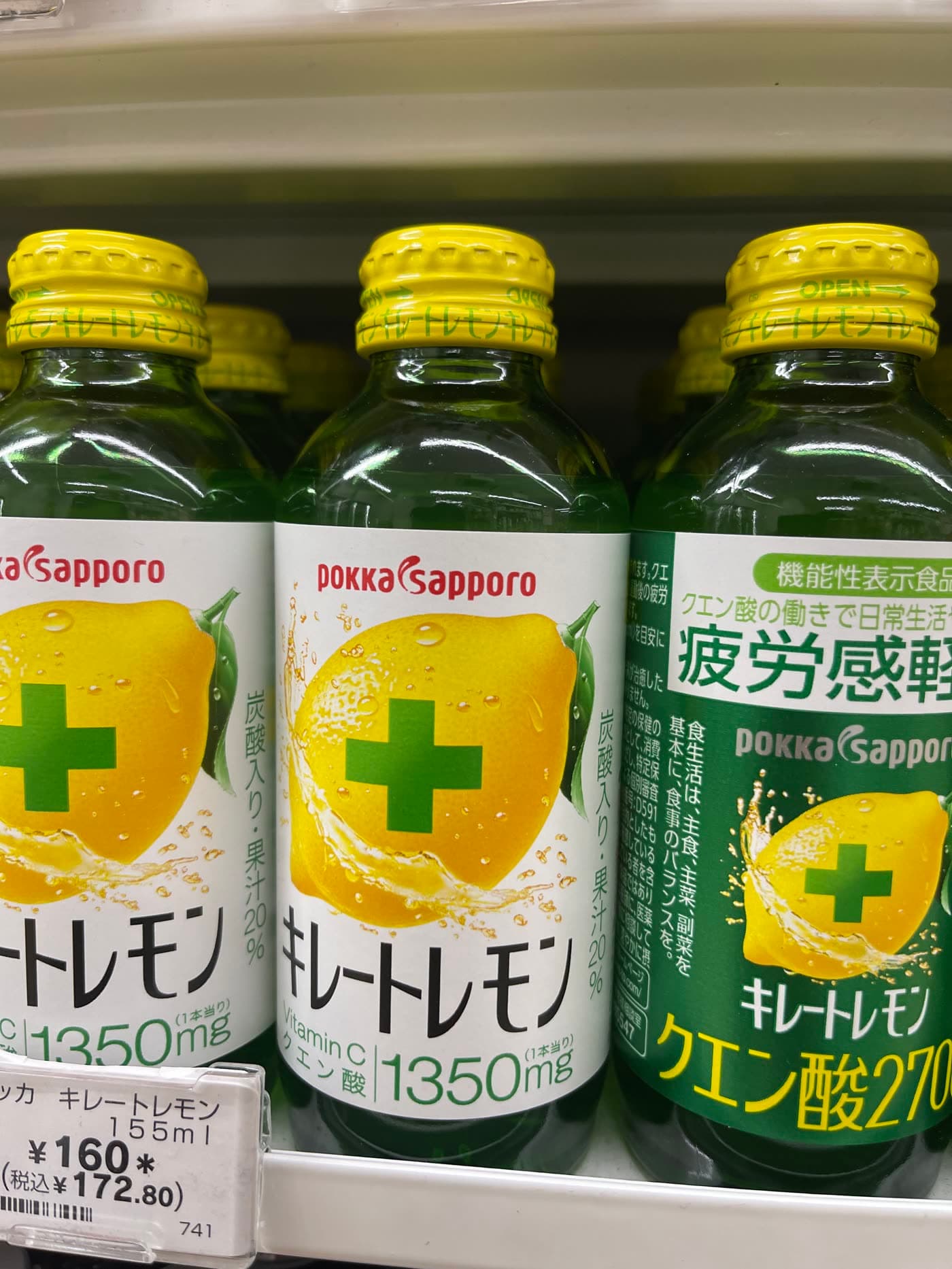
- Pokka Sapporo Chelate Lemon. Read the label. Vitamin C 1,350 mg and citric acid 2,700 mg are different bottles.
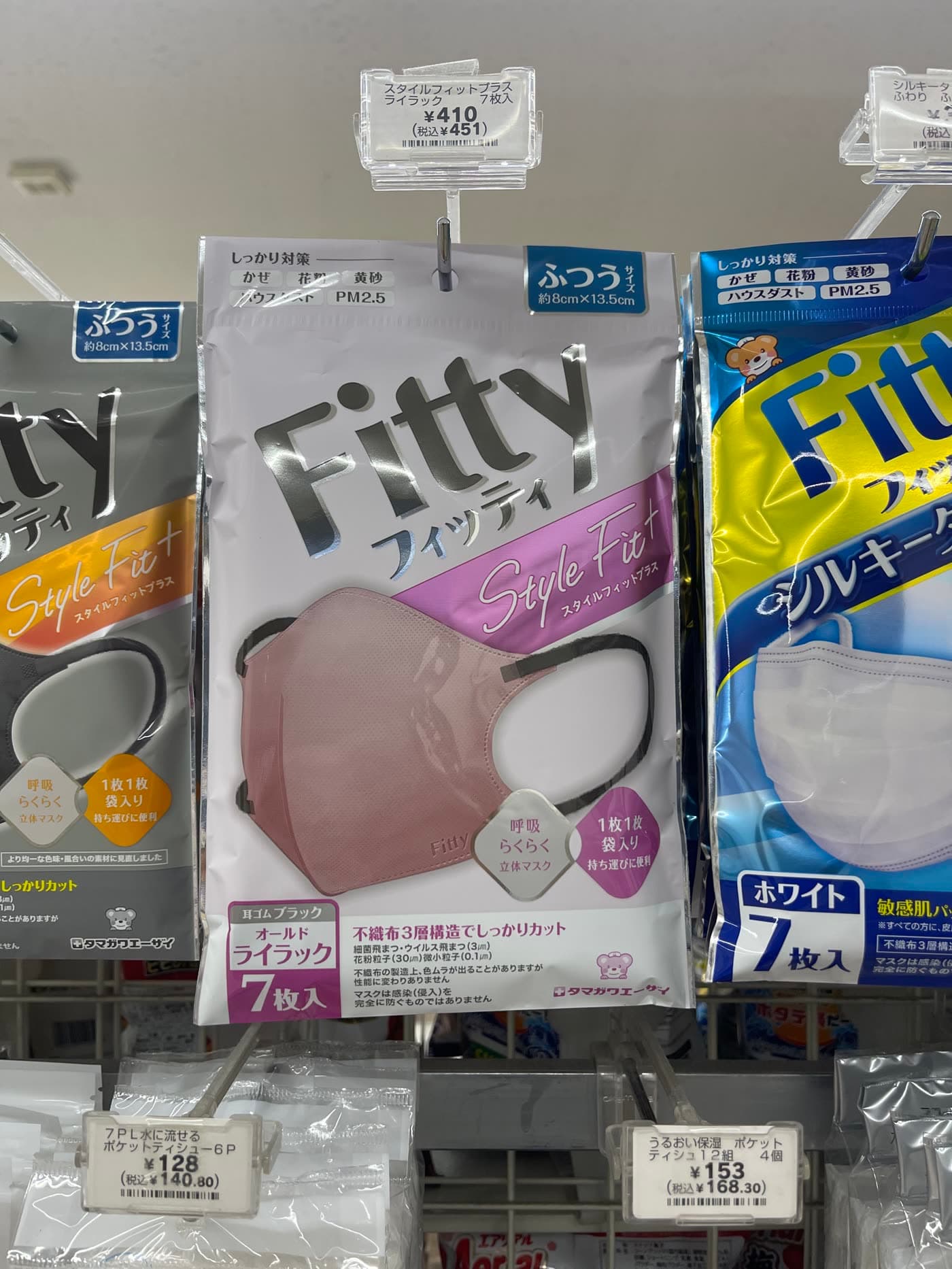
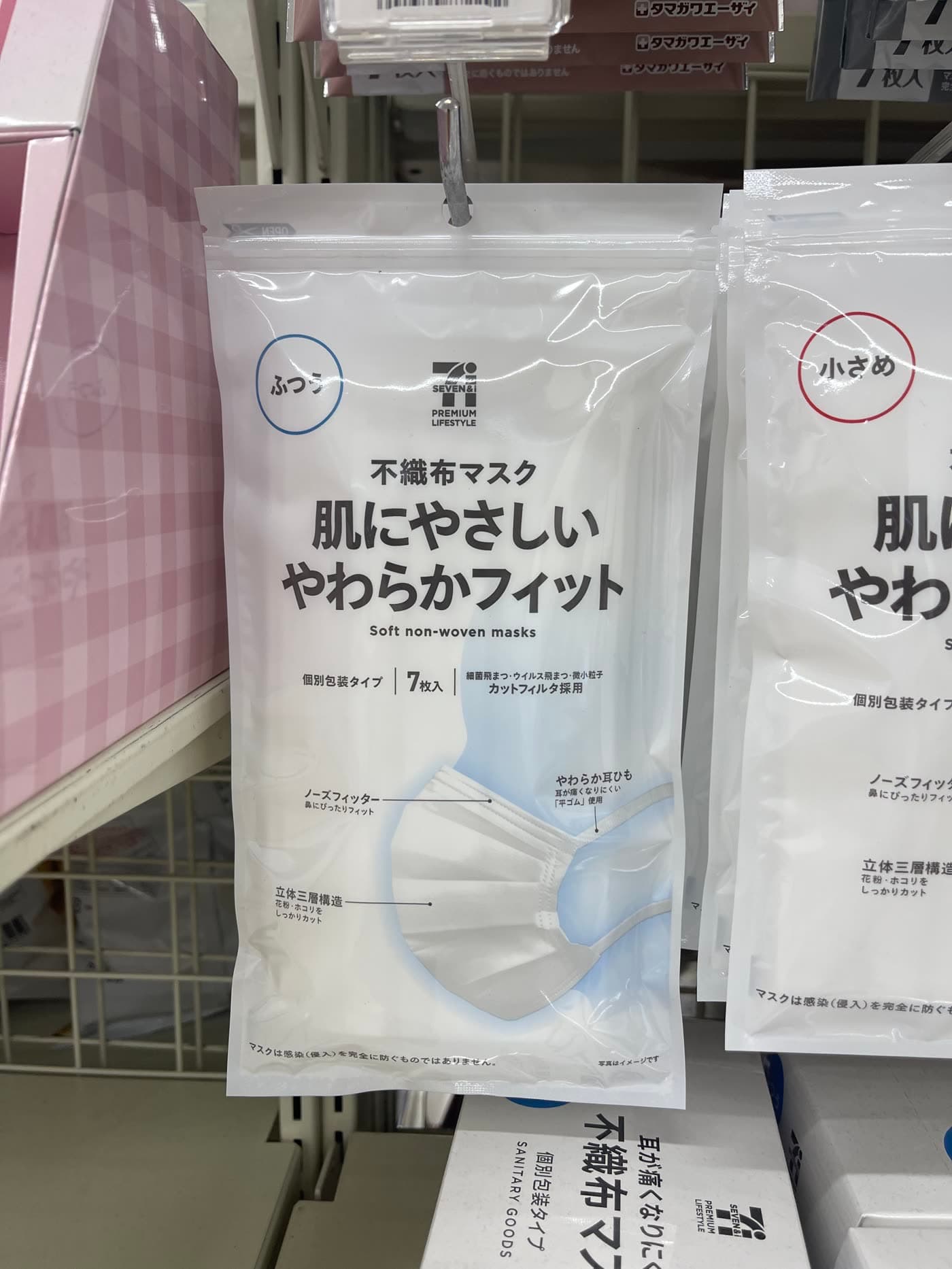
- Masks (マスク). A Fitty if you want a closer fit, or 7-Eleven’s soft masks, seven individually wrapped.
- Alcohol sanitizing wipes (除菌シート, jokin sheets), on the same aisle. We did not photograph a pack. Grab one anyway.
Two labels are worth a second look. The blue Morinaga in Jelly, Energy EX-COOL, gave us 120 calories when a meal was out of the question, and it was sweeter than a sick stomach wanted. Next time we would choose a plainer pouch. The Chelate Lemon bottles are twins from a step away. One leads with vitamin C, 1,350 mg. The bottle beside it leads with citric acid, 2,700 mg, and a fatigue-relief line. Same lemon on the glass. A different drink.
Panel 3. Clinic navigation, insurance, and cash
The clinic half of the night is logistics. Call before you go. Say you are a tourist, name your travel insurance, and say you can pay out of pocket. Himawari, Tokyo’s medical information line for foreign patients, is 03-5285-8181 every day from 9 a.m. to 8 p.m., in English, Chinese, Korean, Thai, and Spanish. After 8 p.m. that line is closed. The JNTO Japan Visitor Hotline, 050-3816-2787, stays open all night in English, Chinese, and Korean. If you are unsure whether this is an ambulance night, Tokyo Fire Department’s #7119 is staffed 24 hours. In the 23 wards the backup number is 03-3212-2323. If someone is in danger, call 119.
Numbers to have before you dial
- Himawari
03-5285-8181
Tokyo medical information for foreign patients. Every day 9 a.m. to 8 p.m. English, Chinese, Korean, Thai, and Spanish.
- JNTO
050-3816-2787
Japan Visitor Hotline. 24 hours. English, Chinese, and Korean. Illness, accidents, and disasters.
- Night advice
#7119
Tokyo Fire Department, 24 hours, if you are unsure about an ambulance. 23 wards backup: 03-3212-2323. Emergency: 119.
- Pharmacy
Cash
Bring yen. A card fee can swallow the small margin on a price-capped prescription.
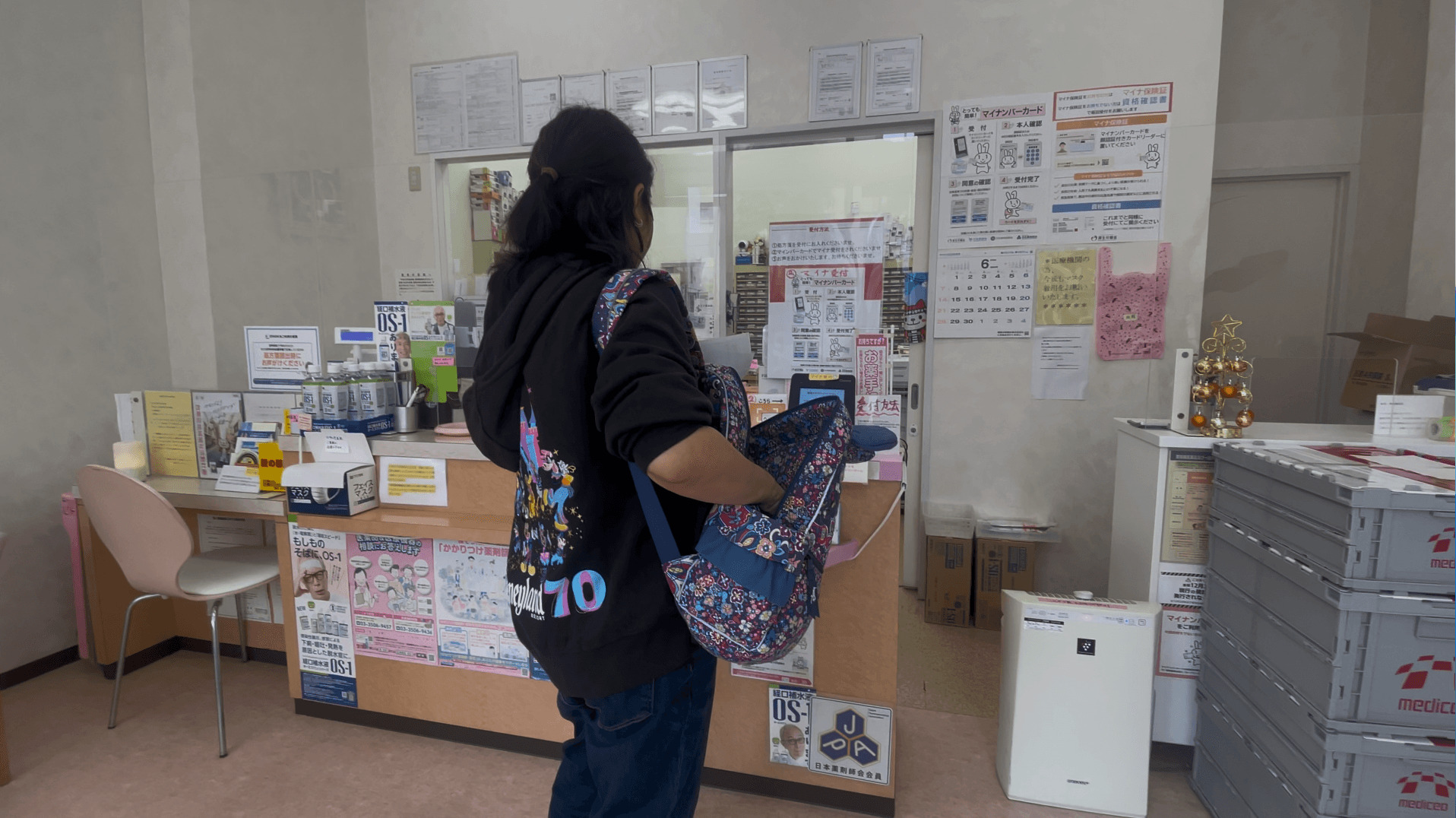
Bring cash to the pharmacy. Japan sets a ceiling on drug prices so the medicine stays affordable, and a card processing fee can eat the thin margin on a small prescription. The pharmacist was glad when we offered yen. We said so in the note, along with the tourist status and the insurer, so the clinic did not have to wonder whether we could settle the bill.
- Tourist: Say it in the first lines of the note. You are visiting, and you are not enrolled in Japanese national health insurance.
- Insurance: Name the company and say you can pay now and claim later. We said Allianz. Clinics relax when the bill has a path.
- Cash: Offer yen at the pharmacy. Government ceiling prices keep these drugs affordable, and a card fee can cost the shop its margin. They are glad when you pay in cash.
Leave with the papers. Ask for them by name, with the screenshot already open. The receipt is 領収書 (ryōshūsho). The medical certificate is 診断書 (shindansho), and it is a request, so say that any format the clinic already uses is fine. The prescription is 処方箋 (shohōsen), and the pharmacy needs it in hand before it can fill the medicine.
Three papers to collect before you leave
- 領収書 (ryōshūsho). The receipt. Ask for it itemized if the total is all they hand you.
- 診断書 (shindansho). The medical certificate. It is a request. Say any format the clinic already uses is fine.
- 処方箋 (shohōsen). The prescription. The pharmacy needs this sheet before it can fill the medicine.
What we would tell another parent
What made the night manageable was how ordinary the preparation was. The AI wrote the Japanese and the walking route. The hotline had the medical words. We still called the clinic ourselves, because waiting on a translated middleman is slower than two parents working at the same time. We masked on the way in, paid the pharmacy in cash, and walked out with the three documents an insurer asks for.
I hope you save this and never open it. If a fever starts after dinner, start with the phone call.
Should we call a clinic before we go in Japan?
Yes. Call Himawari at 03-5285-8181 from 9 a.m. to 8 p.m., or the JNTO Japan Visitor Hotline at 050-3816-2787 at night. Say you are a tourist and ask which clinic can see you. Walking in cold is how the night gets longer.
What if the fever starts after Himawari closes?
Himawari closes at 8 p.m. The JNTO line stays open all night in English, Chinese, and Korean, at 050-3816-2787. If you are unsure whether to call an ambulance, Tokyo’s #7119 is staffed 24 hours, and the 23-ward backup is 03-3212-2323. Call 119 if someone is in danger.
What should the Japanese note say?
Symptoms, how long they have lasted, what you suspect, and a request that the clinic confirm it can treat that before you travel over. Add that you are a tourist, the name of your travel insurance, and that you can pay out of pocket. Screenshot it into your camera roll.
What did you buy at 7-Eleven for a fever?
A Morinaga in Jelly for calories, Lipovitan Jelly to sip, a vitamin C bottle after reading the label, and masks. We would also grab alcohol sanitizing wipes, 除菌シート. For electrolytes, look for Pocari Sweat or Aquarius. The sweet energy jelly worked once, and we would skip it next time.
Why bring cash to a Japanese pharmacy?
Drug prices sit under a government ceiling, so the margin on a small prescription is thin. A card fee can wipe that margin out. Offering yen made the counter glad to help us.
Which papers do we need for travel insurance?
The receipt, 領収書 (ryōshūsho). A medical certificate, 診断書 (shindansho). The prescription, 処方箋 (shohōsen). Ask for the certificate, and say any format the clinic already uses is fine.
Photo album
旅の写真
01 / 11
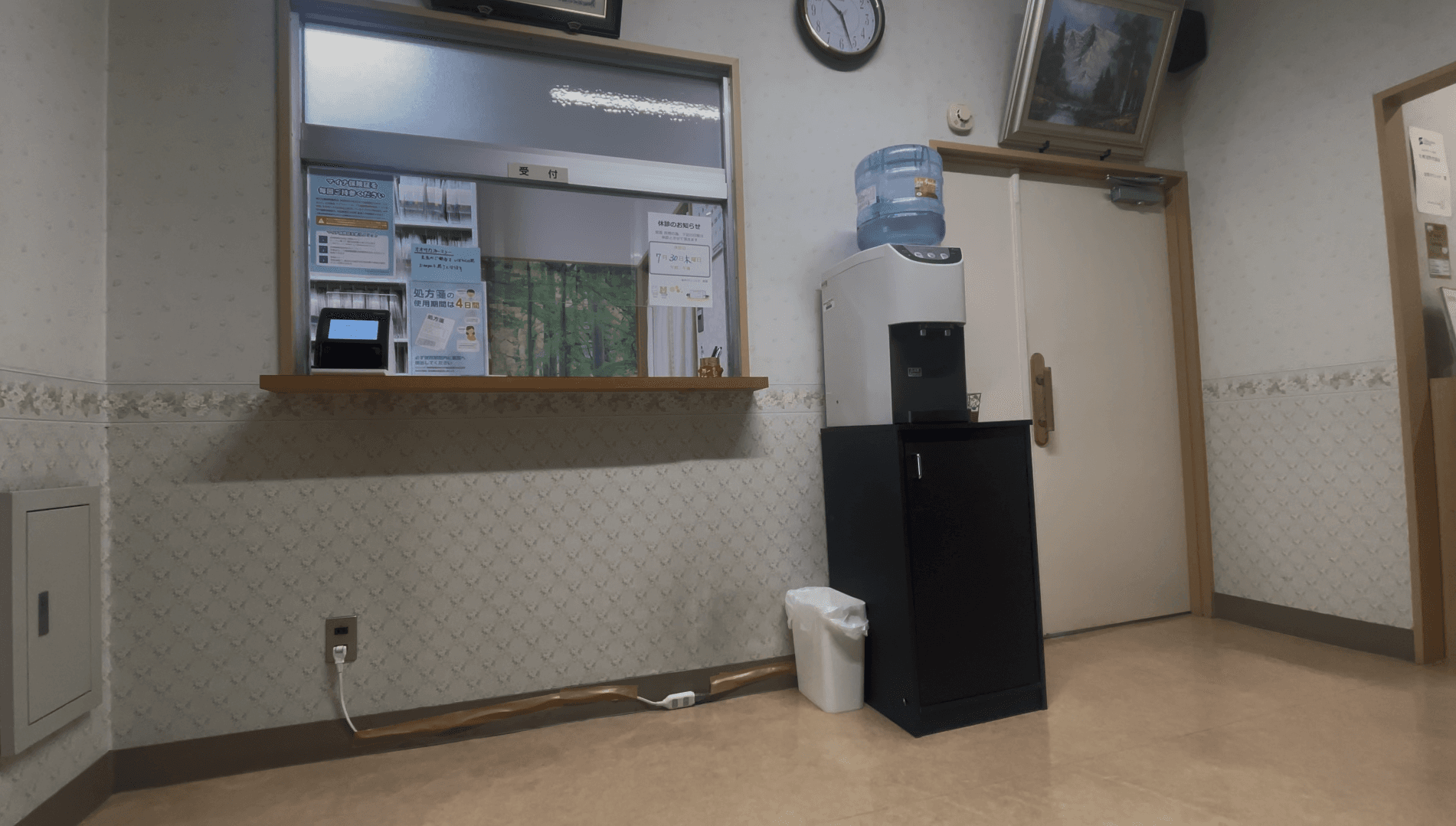
Reception window
We called before we stood at this window.
Take with you
Practical Trip Resources
実用メモ